
Hydrogen: A Key Energy Source for a Net-Zero Future
Hydrogen is one of the most abundant elements in the universe and has an energy density approximately three times higher than that of gasoline by mass. Since its use does not generate carbon dioxide or other greenhouse gases at the point of use, hydrogen is considered a key
solution for achieving carbon neutrality.
Hydrogen can serve as an energy carrier, chemical feedstock, and fuel for fuel cells. Among these applications, fuel cells are highly efficient and clean energy conversion systems that generate electricity by combining hydrogen and oxygen, producing only water and heat as by-products.
Hydrogen can be produced through various methods, including water electrolysis and natural gas reforming. Among these, green hydrogen—produced using renewable energy sources such as solar and wind power—is widely recognized as the future of sustainable hydrogen
development.
In addition, the utilization of surplus hydrogen generated during industrial processes can improve energy efficiency and maximize resource utilization, making it a promising approach for sustainable energy applications.
With its environmental benefits and diverse applications, hydrogen is expected to play an important role in the transition toward a low-carbon and sustainable future.
Introduction to Hydrogen Fuel Cells
Fuel cells are devices that generate electricity through electrochemical reactions. Various fuels can be used in fuel cell systems, including hydrogen, methanol, and natural gas. Among them, Proton Exchange Membrane Fuel Cells (PEMFCs), which use pure hydrogen as fuel, are the most widely adopted.
PEMFCs generate electricity by combining hydrogen and oxygen through an electrochemical reaction. Duringoperation, they produce only water and heat as by-products, with no harmful emissions. Their high efficiency, low noise, and environmental benefits make them an attractive clean energy solution.
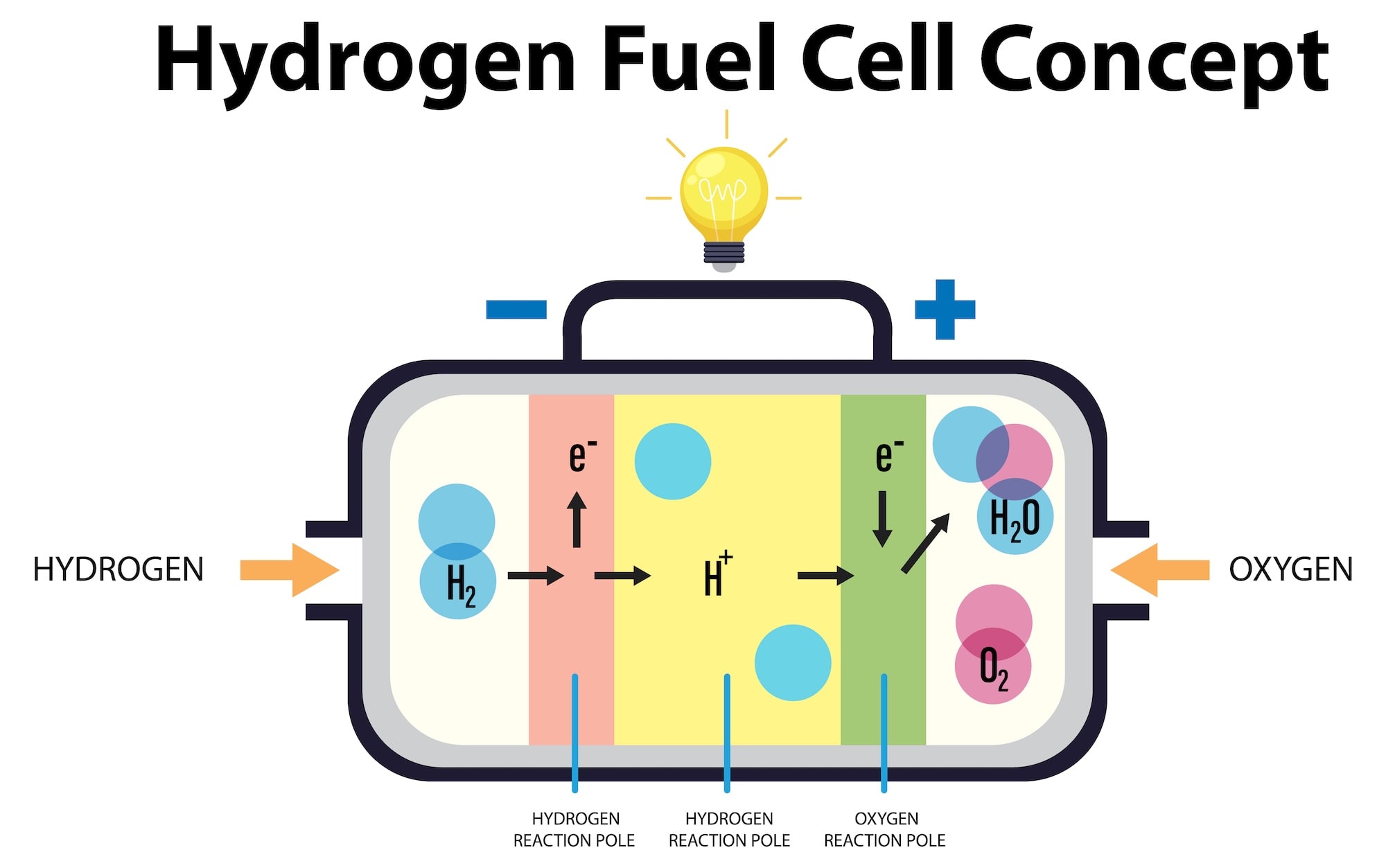
Hydrogen Fuel Cell Power Generation Principle
Hydrogen enters the anode and is split into protons and electrons by a catalyst. The protons pass through a proton exchange membrane, while the electrons flow through an external circuit to generate electricity. At the cathode, oxygen combines with the protons and electrons to produce water and heat, making fuel cells a clean and efficient energy solution.
Fuel is oxidized at the anode, releasing electrons and ions. The electrons flow through an external circuit to generate electricity, while the ions pass through the electrolyte. At the cathode, oxygen reacts with the electrons and ions to produce water and heat.
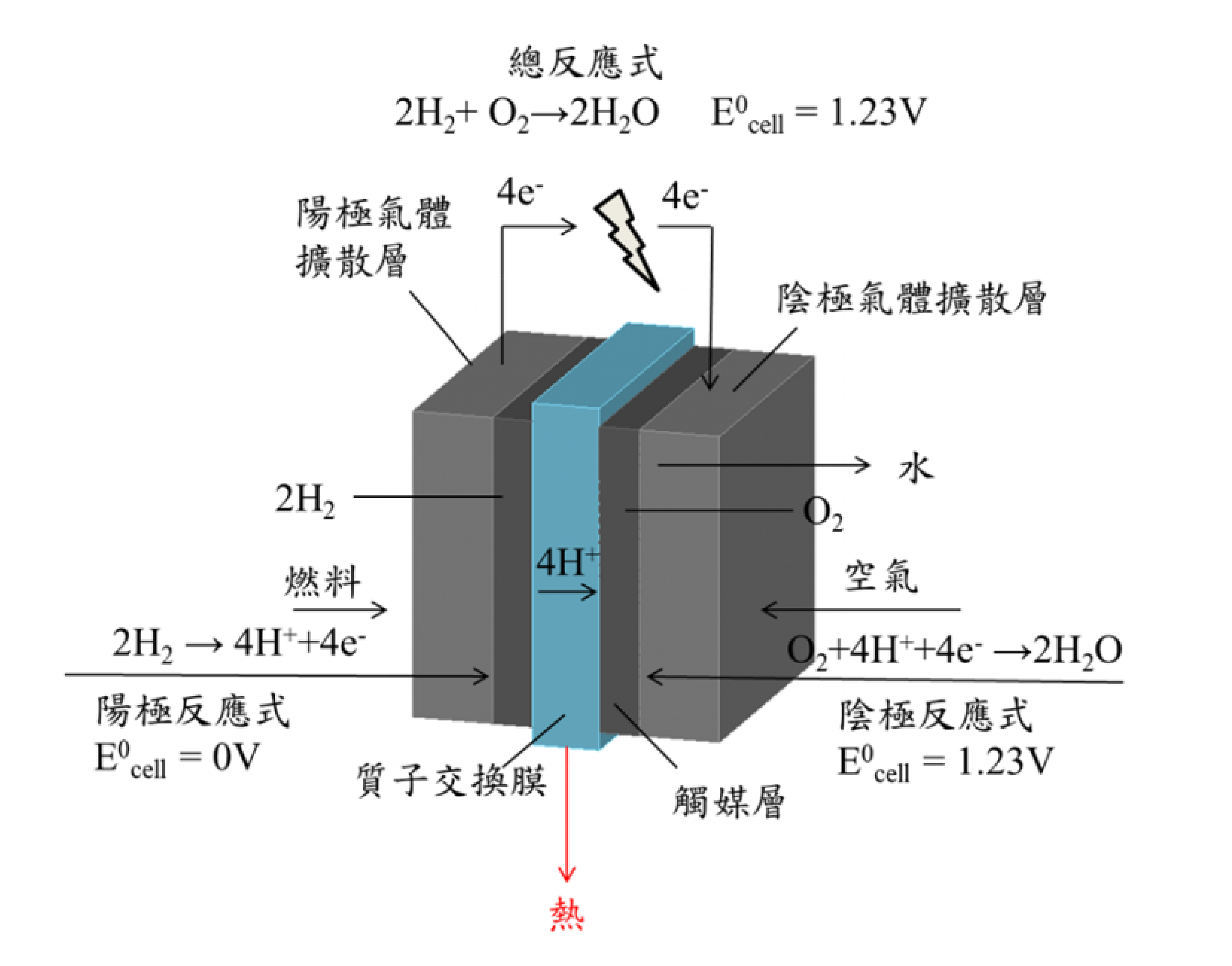
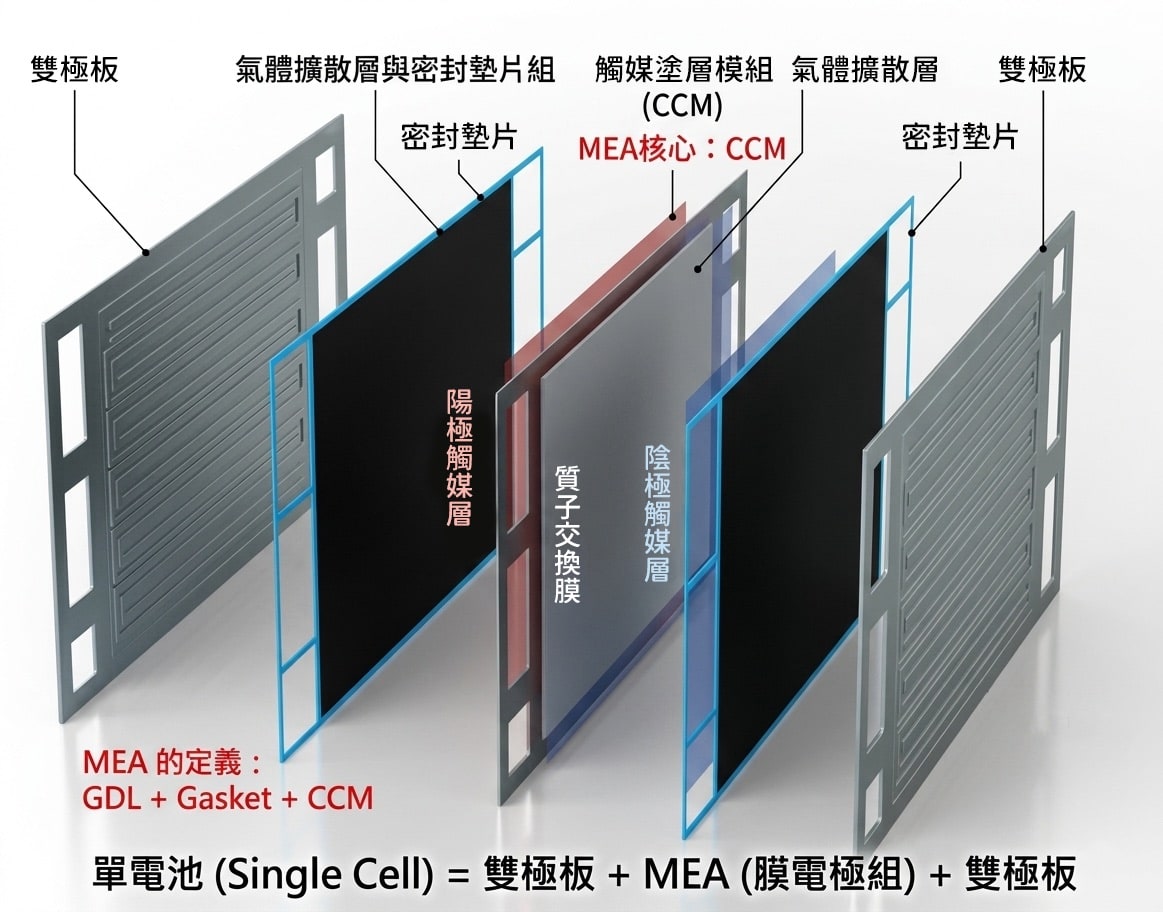
Fuel Cell Structure
Proton exchange membrane fuel cell (PEMFC) is a common type of fuel cell, which mainly consists of the following parts:
Proton exchange membrane:
Located at the center of the fuel cell, the membrane transports protons from the anode to the cathode while preventing electrons from passing through. It is typically made from fluorinated polymer materials.
Anode catalyst:
Positioned on one side of the membrane, the anode catalyst facilitates the oxidation of hydrogen. Platinum or platinum-alloy catalysts are commonly used.
Cathode catalyst:
Located on the opposite side of the membrane, the cathode catalyst facilitates oxygen reduction.